Room Acoustics
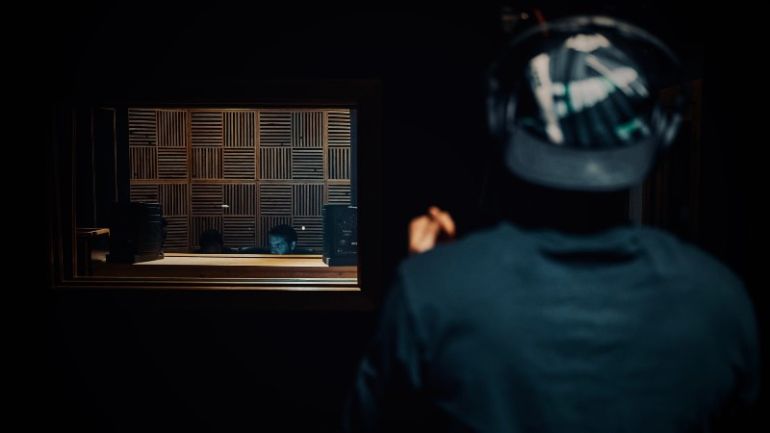
You can buy the best microphones, the cleanest preamps, and the most transparent converters on the market - but if your room sounds bad, your recordings will too. Room acoustics is the invisible architecture of every studio, shaping how we perceive and capture sound. And yet, it's often the most neglected part of the entire setup.
The Room Is an Instrument
Every room has a sound. The walls reflect, absorb, and diffuse energy in ways that color everything you hear. Low frequencies build up in corners. Midrange gets smeared by early reflections. Highs bounce unpredictably off hard surfaces. What you're left with is not what came out of your monitors, but a distorted version shaped by your space.
Monitoring in an untreated room is like color grading a film with sunglasses on. You’re not hearing the truth - you're hearing the room lying to you.
Modes, Reflections, and Decay
There are three core concepts to understand:
-
Room modes: These are standing waves caused by the dimensions of the room. Certain frequencies will resonate more than others, creating peaks and nulls. This is why bass can sound overwhelming in one spot and disappear in another.
-
Early reflections: These are the first bounces off walls, floor, and ceiling that reach your ears milliseconds after the direct sound. They blur stereo imaging and reduce clarity.
-
Decay time (RT60): This is how long it takes for sound to drop by 60 dB in the space. In small rooms, long decay times (especially in the low end) create a muddy, smeared sound.
Treatment, Not Just Correction
Acoustic treatment is not the same as soundproofing. We're not trying to block sound - we're shaping it. That means:
-
Bass traps in corners to absorb low-end energy.
-
Broadband absorbers at reflection points (side walls, ceiling).
-
Diffusers at the rear wall to break up reflections without deadening the room.
Foam panels alone won’t fix your room. A balanced approach using proper materials (rockwool, fiberglass, wood diffusers) is necessary to tame the room without killing its life.
Measurement Is Not Optional
You can’t fix what you don’t measure. Use a measurement mic and software like Room EQ Wizard (REW) or Sonarworks to analyze your frequency response, decay times, and phase. This gives you a real map of what your room is doing - and where to intervene.
Positioning Matters
No treatment will help if your speakers are in the wrong place. Start by:
-
Placing monitors along the short wall, firing down the length of the room.
-
Creating an equilateral triangle between your head and the speakers.
-
Sitting at 38% of the room’s length from the front wall to avoid major bass nulls.
The Final 10%
Even in a well-treated space, using room correction software (like Sonarworks SoundID or ARC) can help smooth the final response. But it should be the icing, not the cake. Digital correction cannot fix nulls or bad reflections - it only adjusts output to match what your ears should be hearing in a neutral environment.
Conclusion
Room acoustics is the most underrated studio upgrade. It won’t show up in your Instagram photos, but it will show up in every mix you make. Don’t let the room lie to you. Treat it with the same respect you give your gear - because without it, even the best gear can’t save your sound.